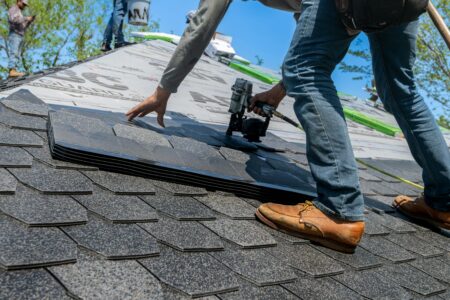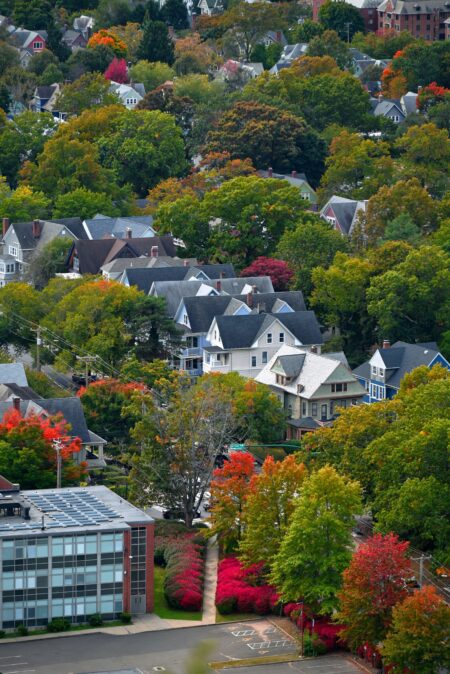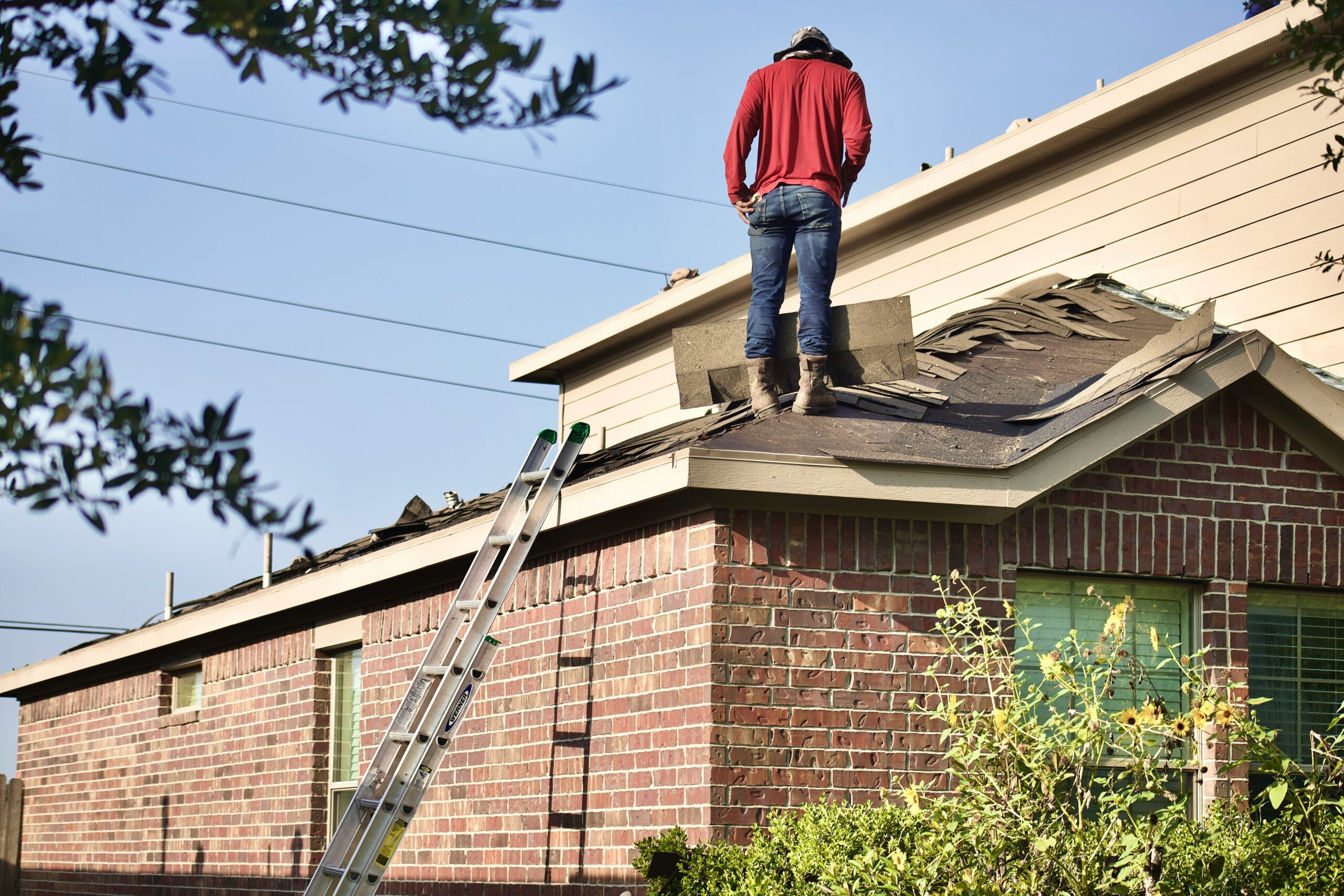
Roof design plays a larger role in maintenance than many property owners expect. Shape, slope, and material layout all influence how water moves and where problems begin. Professionals in roofing often point out that certain configurations demand more attention to avoid long-term damage.
Large Flat Roofs Need Frequent Checks for Ponding Areas
Flat roofs appear simple but require close monitoring because water does not always drain quickly. Slight dips or uneven surfaces can create ponding areas where water sits for extended periods. Standing water increases stress on materials and can weaken membranes over time.
Regular inspections by roof contractors help identify low spots before they lead to leaks. Many commercial roofing systems rely on proper slope design, yet even small imperfections can change performance. Property owners searching for roofing near me often learn that flat roofs need consistent care to maintain durability and prevent costly repairs.
Roofs with Many Units Add More Leak Points to Watch
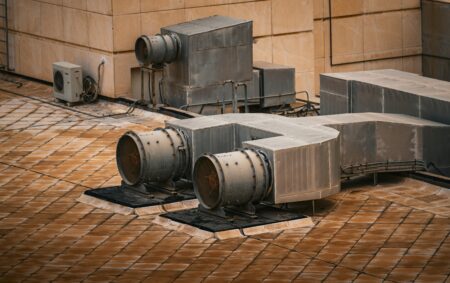
Mechanical units, vents, and rooftop equipment introduce multiple penetration points across the surface. Each opening requires flashing and sealing, which can wear down over time due to weather exposure. More units mean more areas where leaks can develop if maintenance is not consistent. A commercial roofing contractor typically inspects these points closely because small failures can spread quickly beneath the surface. Facilities with heavy equipment layouts often require more frequent service compared to simpler designs. Many roof companies near me emphasize that reducing unnecessary penetrations can lower long-term maintenance demands.
Parapet Walls Trap Water and Slow Proper Drainage
Parapet walls add architectural value but can create drainage challenges if not designed carefully. Water can collect near these walls, especially if scuppers or drains become blocked. Trapped moisture increases the risk of membrane deterioration and hidden leaks along edges.
Commercial roofing systems with parapets require regular clearing of debris to maintain proper flow. Roof contractors often inspect these areas for cracks or separation where water may enter. Proper drainage planning helps prevent long-term damage, yet maintenance remains essential for roofs with enclosed edges.
Long Seams in Membranes Increase Risk over Time
Membrane roofs rely on seams to connect sections, and longer seams create more opportunities for wear. Exposure to heat, movement, and weather can weaken these connections gradually. Over time, seam failure becomes a common source of leaks in commercial roofing systems. Regular inspections allow roof contractors to catch early signs of separation before water enters the structure. Many roof companies near me recommend routine seam checks as part of ongoing maintenance plans. Attention to these details helps extend the lifespan of roofing materials that depend on strong, sealed connections.
Roofs with Skylights Need Extra Seal Checks
Skylights bring natural light into buildings but require careful sealing to prevent leaks. The edges around skylights are vulnerable because they connect different materials and surfaces. Temperature changes can cause expansion and contraction, which may loosen seals over time. Roofing professionals often inspect these areas more frequently than other sections of the roof. A commercial roofing contractor will check flashing and seals to ensure water stays out during heavy rain. Regular maintenance helps prevent small gaps from turning into larger structural issues.
Built up Roofs Hide Damage Under Multiple Layers
Built-up roofing systems use several layers of materials, which can make problems harder to detect. Damage may occur beneath the surface without showing immediate signs. Moisture trapped between layers can spread and weaken the structure before it becomes visible. Roof contractors often rely on specialized inspections to identify hidden issues early. Many property owners searching for roofing near me may not realize that layered systems require deeper evaluation. Proper maintenance ensures that underlying damage is addressed before it affects the entire roof.
Low Slope Systems Depend on Clean Working Drains
Low slope roofs rely heavily on drainage systems to move water efficiently. Blocked drains can quickly lead to standing water and increased pressure on roofing materials. Debris such as leaves or dirt often collects in these areas, especially during seasonal changes. Regular cleaning is necessary to keep water flowing as intended. Commercial roofing designs with low slopes require consistent monitoring to avoid buildup. Roof companies near me often highlight drain maintenance as one of the most important steps in preventing long-term damage.
Mixed Roof Sections Age at Different Rates
Roofs with multiple sections or materials can experience uneven aging. Different materials respond to weather conditions in unique ways, causing some areas to wear faster than others. Transitions between sections may also create weak points where leaks can develop. Roofing professionals often monitor these transitions closely during inspections. A commercial roofing contractor understands how varying materials interact and adjusts maintenance plans accordingly. Managing these differences helps maintain overall performance and reduces the risk of unexpected repairs.
Property owners looking for dependable service often turn to Yellow Hammer Roofing for guidance on complex roof layouts. Their team handles inspections, repairs, and maintenance for both residential and commercial roofing systems with attention to detail and long-term performance. Services offered by experienced roof contractors like Yellow Hammer Roofing help address problem areas early, making them a reliable choice for those searching for roof companies near me that understand how different roofing designs impact maintenance over time.