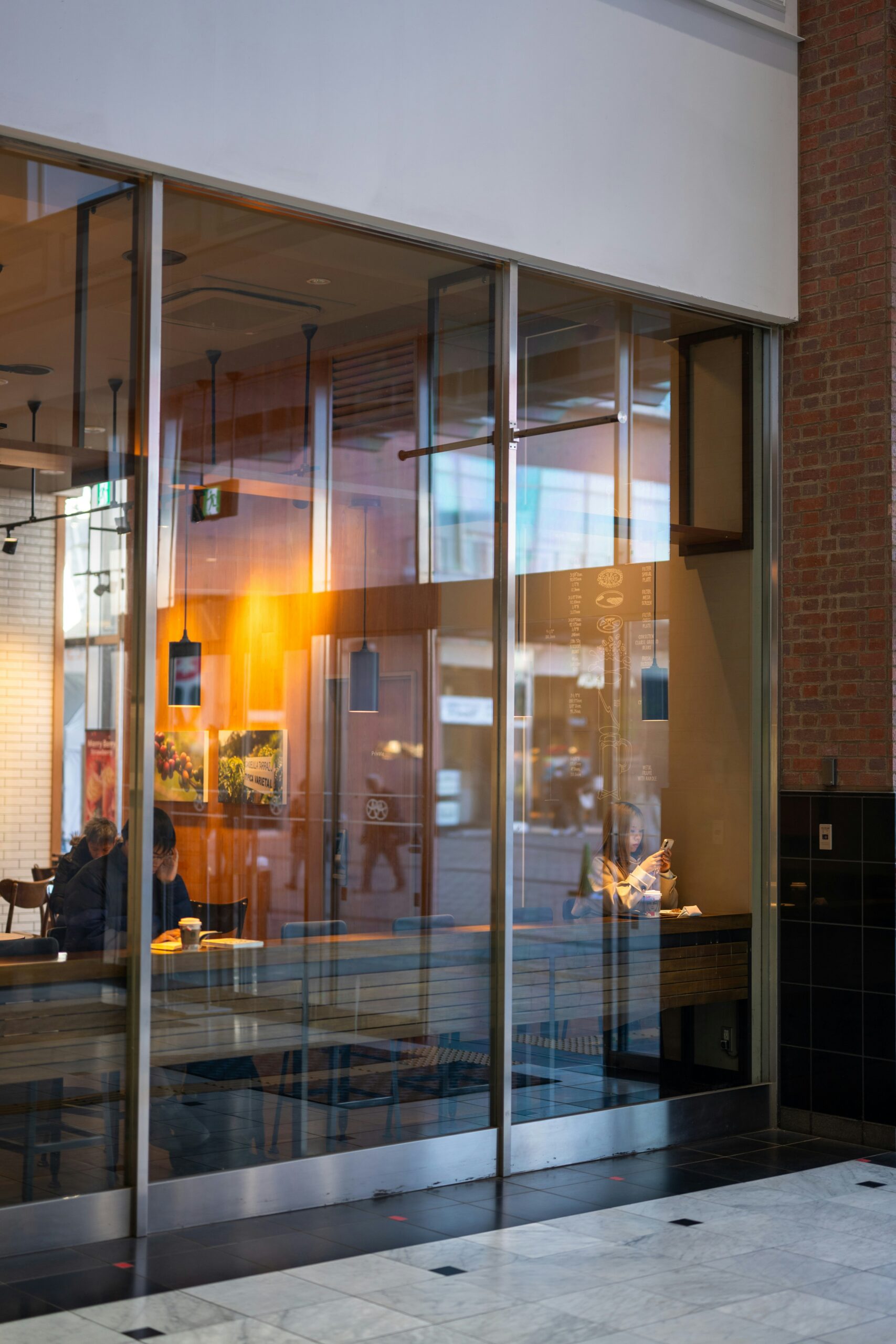
In modern architecture, custom commercial glass doors have emerged as far more than simple entry solutions. These features have become essential design elements, enhancing both the functionality and visual appeal of commercial spaces across various industries. Businesses are increasingly turning to glass doors for their versatility, clean lines, and ability to illuminate interiors naturally, transforming traditional notions of space and privacy.
The adaptability of glass makes it a preferred material for architects and designers who wish to create environments that balance openness with privacy. By incorporating unique finishes, custom etching, and state-of-the-art engineering, these doors contribute to safer, healthier, and more energy-efficient workplaces. They also help reinforce brand identity while fostering an inviting atmosphere for visitors and staff alike.
Glass technology has evolved rapidly, supporting novel ideas that benefit commercial settings. Today’s advances provide a wide array of options, from frameless designs to smart privacy features that respond to users’ needs. In addition, maintenance is simplified by durable materials and non-porous surfaces, which support cleaner, more hygienic environments. These innovations are paving the way for creative solutions in modern workspace planning.
While the commercial sector greatly benefits from advancements in glass door technology, innovations have also influenced home design. For those interested in seeing how similar trends are shaping living spaces, the world of residential glass provides excellent examples of crossover between commercial and domestic applications.
Office Partitions
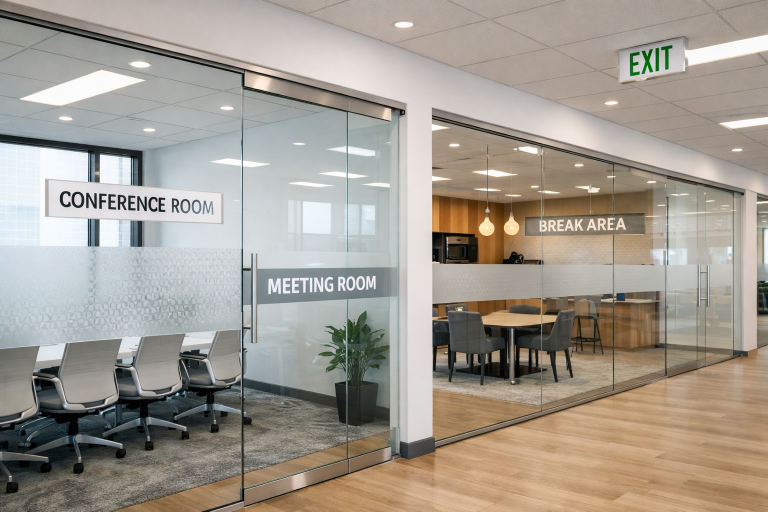
Custom glass partitions have become foundational in creating vibrant and collaborative office environments. Bringing daylight deep into a floor plan, glass partitions not only reduce reliance on artificial lighting but also enhance employee comfort and productivity. Options such as frosted or patterned glass offer levels of privacy that support focus while preserving a connection to the larger space. Additionally, sound-dampening glass technology helps mitigate noise, offering a quieter workspace without sacrificing openness. Research has shown that well-lit offices with open sightlines can enhance overall workplace happiness and efficiency.
Conference Rooms
Glass doors continue to define modern meeting spaces by fostering transparency and collaboration. The inclusion of custom decorative elements, such as etched logos or geometric patterns, adds a layer of sophistication and brand consistency. Sliding or retractable glass doors offer the flexibility to merge or separate spaces quickly, which is especially valuable during presentations or confidential meetings. These adaptable features support dynamic workstyles common in today’s fast-paced business world.
Retail Storefronts
For retailers, first impressions start with the storefront, and custom glass doors serve as powerful marketing tools. Expansive glass panels provide unobstructed views that entice potential customers and highlight merchandise even before people enter the store. The use of tempered or laminated glass for these installations ensures safety and durability in high-traffic retail zones. Well-designed glass storefronts also support branding efforts and can help increase foot traffic by creating an attractive, welcoming entry point.
Hospitality Industry
Hotels, restaurants, and event venues benefit immensely from the aesthetic and functional advantages of custom glass doors. By enabling smooth transitions between indoor and outdoor environments, glass installations encourage more natural light and offer guests views of landscaped areas or cityscapes. These features are particularly valuable for venues seeking to maximize indoor space during favorable weather and to create flexible seating arrangements for events.
Healthcare Facilities
In hospitals, clinics, and other healthcare settings, glass doors are chosen for their cleanability and for supporting visual communication among staff. Frosted or tinted glass maintains patient privacy, while transparent panels enable quick, non-intrusive monitoring of hallways and rooms. Glass also helps maintain a hygienic environment because its non-porous surface is easier to disinfect, which contributes to better infection control in sensitive care areas.
Educational Institutions
Modern schools and universities often use glass doors to foster transparent, inclusive learning spaces. By promoting visibility, administrators can easily supervise common areas and classrooms. Natural light helps support students’ concentration and mood, enhancing the overall educational experience. Glass doors can also be customized to reflect an institution’s colors or symbols, reinforcing community identity and pride.

Sustainability and Energy Efficiency
Energy-efficient building practices are increasingly important, and commercial glass door systems are advancing to meet these needs. Features such as low-emissivity coatings and multi-pane assemblies improve insulation, reducing heating and cooling costs. Adaptive glass treatments further boost performance by minimizing heat transfer and controlling glare. Efficient glass design helps commercial projects earn certifications like LEED and supports broader environmental goals.
Technological Integrations
Cutting-edge technology is shaping the future of commercial glass door applications. Switchable smart glass allows instant privacy with the touch of a button, while integrated sensors, keyless entry, and building automation systems enhance both security and user convenience. These advancements are especially beneficial for high-security workplaces, such as executive suites and clinical settings, where adaptable privacy and safety features are essential to daily operations.
With its adaptability, durability, and ability to enable creative design solutions, custom commercial glass is redefining how businesses approach space planning. As technology and materials continue to progress, the possibilities for glass in both work and public environments will only expand, making it a key material for present and future architectural innovation.