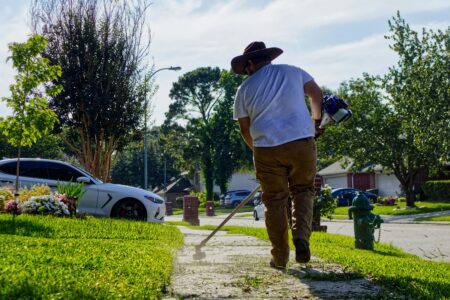
Homeowners in Northern Virginia face unique pest challenges due to the region’s changing seasons, humidity, and lush landscapes, which create attractive environments for insects and rodents alike. While keeping your home pest-free is a top priority, many are seeking safer alternatives to traditional chemical-heavy solutions. By adopting eco-friendly pest control methods, you can protect your family, pets, and the environment. Professional green companies, like greenpestservices.net, are leading the way in sustainable residential pest management for Northern Virginia residents.
The region’s blend of suburban development and wooded areas underscores the need for preventive, environmentally responsible pest management. Choosing green alternatives is not only safer but also effective against the ants, spiders, mosquitoes, and rodents common in local homes. These solutions are tailored to minimize harm to non-target species, such as pollinators and native birds, which support Northern Virginia’s ecosystem. Considering the area’s proximity to the Potomac River and protected parklands, maintaining local biodiversity through sustainable pest control is especially important to keep both yards and larger communities healthy. Exploring natural pest control strategies ensures your household is safeguarded without compromising the integrity of Northern Virginia’s beautiful environment. Empowered with the right methods and regional knowledge, any homeowner can take action against pests responsibly.
Integrated Pest Management (IPM)
Integrated Pest Management is the foundation for modern, eco-friendly pest solutions in Northern Virginia. This holistic approach includes:
- Inspection: Assessing the home and property for pests and vulnerabilities, such as moisture issues or overgrown foliage.
- Prevention: Taking steps like fixing leaky faucets and sealing small openings that serve as pest entry points.
- Monitoring: Regular checks on hotspots, including basements, attics, and foundation perimeters, allow for early pest detection.
- Control: When pests are detected, use targeted and minimal-risk treatments, which might include traps or natural repellents instead of chemicals.
Community awareness and homeowner education are key parts of IPM in Northern Virginia, where diverse wildlife and urban boundaries meet. For more on this method, you can refer to the EPA’s overview of IPM principles.
Natural Pest Repellents
Natural repellents leverage substances that safely deter nuisance pests. Horticultural oils and insecticidal soaps, which are effective on aphids and spider mites, are commonly recommended for local gardens. Northern Virginia homeowners widely use cedarwood and peppermint oils to repel moths, ants, and spiders indoors. Add a few drops to cotton balls and place them in vulnerable areas. Using these methods supports native pollinators and keeps harsh chemicals out of local streams and soil, preserving Northern Virginia’s fragile ecology.
Biological Controls
Introducing or encouraging natural predators in your yard is an eco-conscious strategy increasingly popular in local landscaping. Ladybugs, lacewings, and certain birds thrive in Northern Virginia, consuming aphids, mealybugs, and even small caterpillars. Planting native wildflowers and shrubs attracts these beneficial insects, creating a dynamic garden that naturally limits pest populations. This approach strengthens the overall ecosystem, especially around local parks and preserves in Fairfax, Arlington, and Loudoun counties.
Physical Barriers and Exclusion Techniques
Preventing pest entry is fundamental for homeowners in the region, where rodents can become especially troublesome during colder months. Install mesh screens on windows and foundation vents, use weatherstripping on doors, and seal gaps around utility lines to block invaders like mice and insects physically.
- Repair window screens, especially in older homes common to Alexandria and Falls Church.
- Use copper mesh or steel wool to fill cracks.
- Fit door sweeps on exterior entrances.
These steps help communities maintain a barrier between homes and nearby wooded or grassy areas, which are often the source of neighborhood pest problems.
Maintaining a Clean Environment
Effective pest prevention in Northern Virginia starts with cleanliness. Moisture-rich basements, cluttered garages, and overflowing trash bins create habitats for insects and rodents. Ensure garbage is sealed and removed regularly, clean up yard debris after storms, and keep food stored securely indoors. Dehumidifiers in crawl spaces and proper drainage in gardens eliminate standing water, reducing mosquito and ant populations around homes. A tidy, dry environment substantially reduces pest attractants and potential breeding grounds.
DIY Eco-Friendly Pest Control Solutions
Many natural solutions are effective and easy to make at home. A simple spray of dish soap and water kills aphids on contact, while a vinegar-and-water mixture deters ants from reentering kitchens or bathrooms. Neem oil, derived from the neem tree, is another safe and effective treatment for a variety of local garden pests, targeting insect development without harming bees.
Professional Eco-Friendly Pest Control Services
If pest infestations are persistent or severe, consider hiring a professional service that specializes in green approaches. In Northern Virginia, many companies now focus on prevention, low-toxicity products, and ongoing education as part of their service. They typically follow integrated pest management principles, offering sustainable, long-term relief tailored to the area’s climate and native species. Look for services that proudly advertise eco-friendly options and have a strong track record in the local community, so your household and neighborhood benefit from the safest solutions available.
Conclusion
For homeowners across Northern Virginia, eco-friendly pest control combines modern science with local knowledge to create safer, more sustainable solutions. By prioritizing prevention, using natural repellents, exploring biological control methods, and maintaining regular home inspections, residents can reduce pest problems while protecting their families and the environment. Simple practices such as sealing entry points, managing moisture, and maintaining clean outdoor spaces can make a significant difference in long-term pest prevention. Choosing environmentally responsible methods also helps preserve the region’s diverse ecosystems and supports healthier communities. Through cooperation, awareness, and consistent maintenance, Northern Virginians can effectively manage common pests while maintaining comfortable, safe, and environmentally friendly homes for future generations.