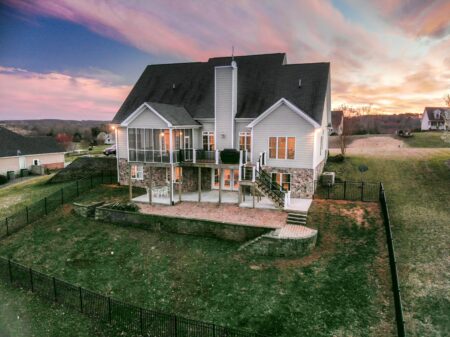
Buying near the North Carolina coast can be exciting, whether you want a primary residence, a retirement home, or a place closer to the water. Buyers researching Hampstead Homes for Sale can use Savannah Holman’s local listing resource to compare available properties and community information across Hampstead and nearby coastal areas. As a Coastal NC specialist serving Hampstead, Topsail Island, Surf City, Holly Ridge, Wilmington, and Figure Eight Island, Savannah Holman offers a useful local perspective for buyers weighing commutes, water access, neighborhood amenities, and different types of coastal ownership.
A beautiful view, a quick trip to the beach, or a large screened porch can make a home memorable. Still, coastal buying requires a closer review than price, square footage, and bedroom count. The right property should fit your daily life, remain financially manageable, and be prepared for the weather conditions that come with living near the coast.
Why Coastal Homes Need a Closer Review
Salt air, high humidity, heavy rain, and tropical weather can affect a home over time. Exterior metal components may corrode faster, crawl spaces can collect moisture, and drainage problems can become more obvious during a major storm. Two similarly priced homes may therefore have very different long-term costs.
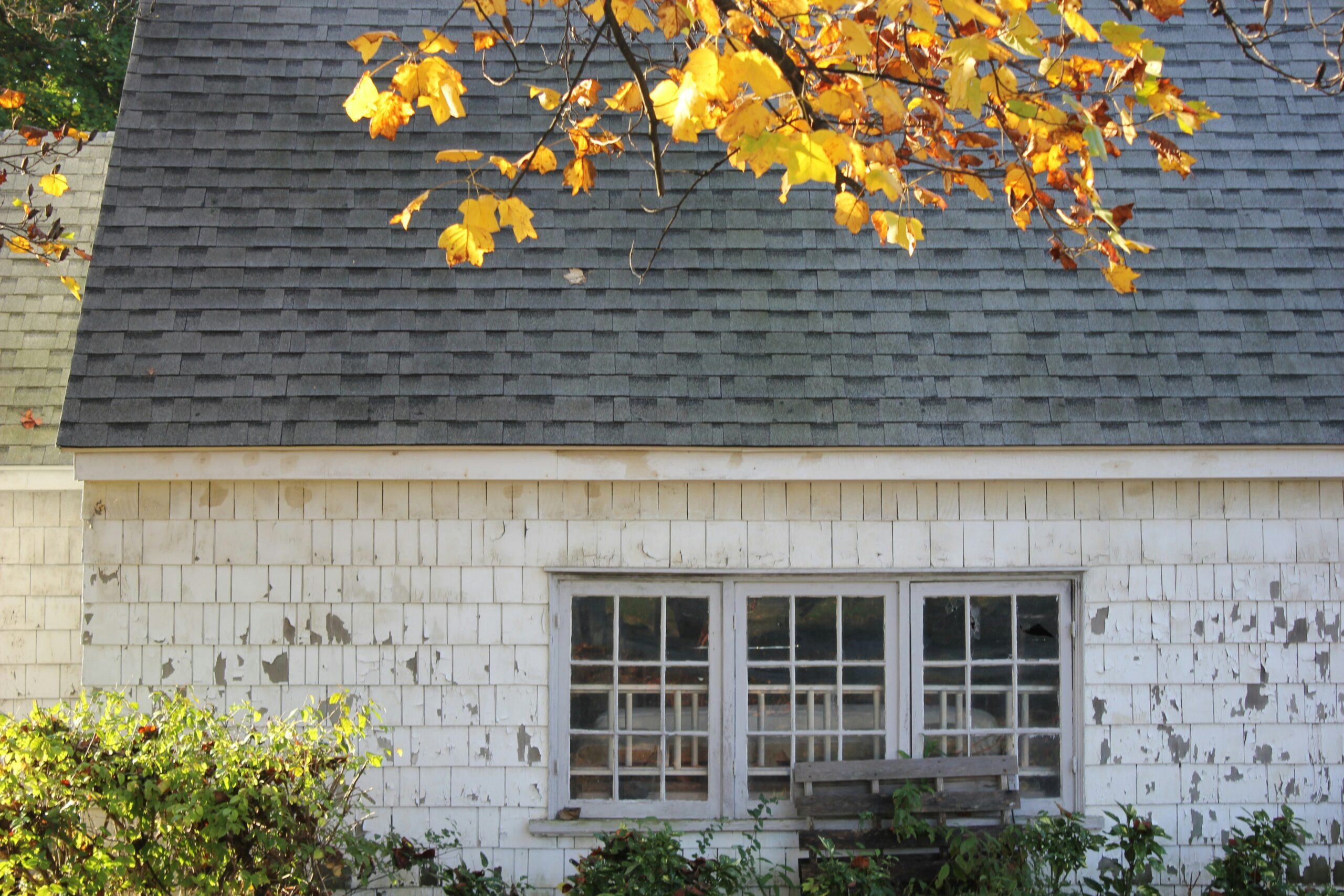
Look beyond cosmetic updates. Review the roof, siding, windows, exterior doors, decks, gutters, lot grading, crawl space, HVAC equipment, and drainage paths. An older home with a lower purchase price may need a roof, window work, and moisture repairs sooner than a newer home with better storm features. The higher-priced option can sometimes be less costly to own.
Build a Budget Beyond the List Price
Your mortgage payment is only one part of the ownership picture. Before choosing a price range, estimate recurring expenses and create a reserve for repairs that may be more frequent in a humid, coastal environment.
Costs To Add To Your Budget
- Property taxes, homeowner’s insurance premiums, and policy deductibles.
- Flood insurance and any separate wind or hail coverage.
- HOA dues, amenity fees, and assessments for shared community infrastructure.
- Dock, boat-slip, marina, or boat-storage costs, when applicable.
- Roof, HVAC, siding, deck, landscaping, and exterior maintenance.
- Travel costs connected to work, schools, medical care, shopping, and Wilmington International Airport.
Check Flood Maps and Insurance Early
Research flood exposure before writing an offer, not after the contract is signed. A home does not need to sit directly on the water to experience water intrusion or drainage concerns. Review the address, ask about past claims or repairs, and request insurance estimates early enough to make an informed decision.

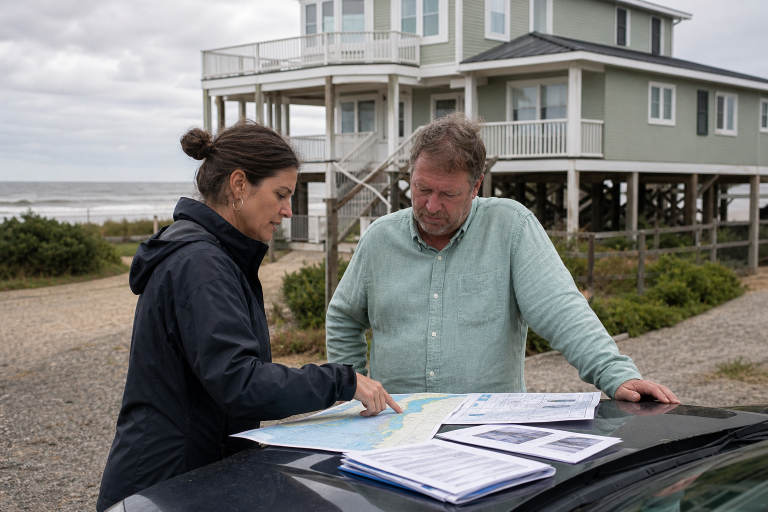
Standard homeowner’s policies generally do not cover flood damage, so buyers should understand separate coverage options. The North Carolina Department of Insurance flood insurance guidance is a useful starting point for understanding why flood protection should be reviewed separately from a standard homeowners policy.
Questions To Ask
- Has the home ever flooded or had water intrusion?
- Which flood zone applies to the lot, and does the lender have special requirements?
- Is the crawl space sealed, vented, or prone to standing water?
- What are the policy limits, exclusions, deductibles, and named-storm deductible?
- Could the final insurance quote change after inspection findings are reviewed?
Review Storm-Ready Features
Storm-ready features can improve durability, safety, and peace of mind. They may also make insurance discussions easier, although buyers should always confirm the effect with an insurance professional rather than assuming a discount.
- A newer roof with properly maintained flashing, vents, and fasteners.
- Impact-rated windows, storm shutters, and strong exterior doors.
- Reinforced garage doors and securely mounted outdoor equipment.
- Electrical panels and HVAC equipment are elevated above likely water paths.
- Functional gutters, downspouts, swales, and grading that direct water away from the home.
- Generator connections, backup power options, and accessible water and electrical shutoffs.
Use the Inspection to Find Hidden Risk
Hire a licensed inspector with coastal-property experience. A general inspection is essential, but some homes may also need separate termite, septic, well, dock, seawall, bulkhead, pool, structural, or elevation evaluations. Ask the seller for permits related to additions, enclosed spaces, docks, and significant repairs.
Pay close attention to roof age, signs of storm damage, deck and railing condition, window seals, corrosion around outdoor HVAC equipment, and moisture in the crawl space. If possible, visit after the rain. Water pooling, soft ground, overflowing gutters, and poor driveway drainage can be easier to identify.
Compare Location With Daily Life
Test the home’s location at more than one time of day. A quiet Saturday showing may not reflect weekday traffic, seasonal beach congestion, school drop-off patterns, or nighttime lighting. Visit after sunset, during a busy travel period, and after rain if your schedule allows.
Compare drive times to major roads, schools, health care, grocery stores, restaurants, beaches, marinas, parks, and public boat ramps. Confirm cell service and internet options at the property itself. Also ask about emergency routes, evacuation planning, and future construction that could affect views, traffic, or noise.
Understand Water Access Options
Water access is not the same as waterfront ownership. Direct waterfront homes can offer privacy, views, and immediate access, but may bring higher insurance, shoreline responsibility, and maintenance. Community water access may provide shared docks, ramps, or kayak launches without placing full responsibility on one owner. Marina access and deeded boat slips can be convenient, but often include recurring fees and rules. Nearby public beach access can deliver the coastal lifestyle without the cost of owning waterfront land.
Think About Resale Before Buying
Buy the home that works for your life, but consider the next buyer, too. Practical floor plans, usable storage, updated systems, strong maintenance records, reasonable insurance costs, and flexible spaces for guests or remote work can appeal to a wider audience. A water view is attractive, but manageable upkeep and reliable access often matter just as much.
Prepare a Strong, Careful Offer
A strong offer is not always the highest offer. It should reflect comparable sales, property condition, insurance estimates, HOA documents, disclosures, and likely repair needs. Set clear financing and inspection terms, review past storm repairs, and decide in advance which issues would be meaningful enough to negotiate or walk away from.
Final Coastal Home Checklist
- ☐ Flood zone and insurance options reviewed
- ☐ Homeowners, wind, and hail coverage estimates requested
- ☐ Roof age, drainage, crawl space, and exterior condition inspected
- ☐ HOA rules, fees, and amenity obligations reviewed
- ☐ Utilities, internet, commute, and emergency routes confirmed
- ☐ Prior claims, permits, repairs, and storm-ready features documented
- ☐ Long-term maintenance reserve included in the budget
A coastal home should offer more than a beautiful setting. By reviewing insurance, inspections, water exposure, location, and long-term upkeep before making an offer, buyers can choose a Wilmington-area property with greater confidence in 2026.