



The home-buying process has undergone significant transformation in recent years, thanks to rapid technological advancements. From initial property searches to finalizing mortgages, digital tools are streamlining every step, making the experience more efficient and user-friendly for buyers. In this evolving landscape, partnering with an experienced professional can provide invaluable guidance. For instance, working with a Mississauga real estate agent Sam McDadi, a leader in the Greater Toronto Area’s real estate market, ensures that clients benefit from both technological advancements and professional insights, leading to a more informed and confident purchasing decision.
Virtual Tours and Augmented Reality
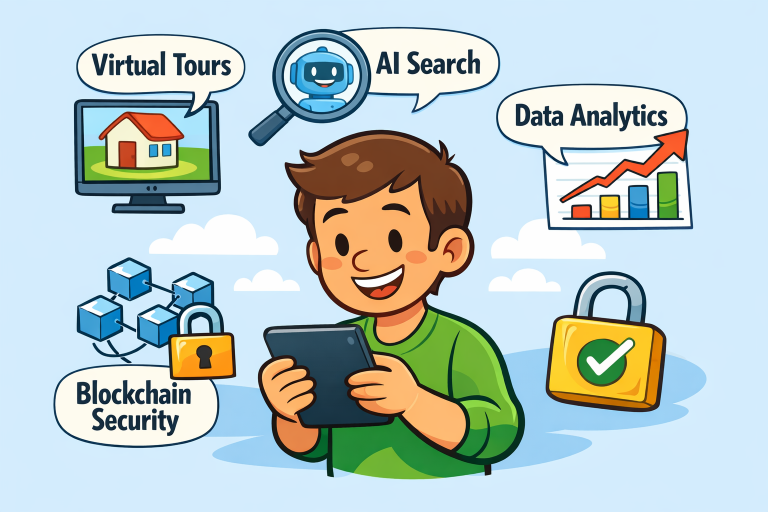
Gone are the days when prospective buyers had to visit multiple properties in person to make informed decisions. Virtual tours and augmented reality (AR) applications now allow individuals to explore homes remotely. This not only saves time but also broadens the range of available options, enabling buyers to consider properties in different locations without the need to travel.
Modern VR and AR technologies are offering immersive home experiences that simulate walking through a property as if you were physically there. Features such as 360-degree photography, 3D walkthroughs, and AR-enabled staging tools are providing buyers with highly interactive presentations. This means buyers can virtually rearrange furniture, visualize potential renovations, or see a room in different lighting, all from the comfort of their own device. This interaction not only adds convenience but also increases buyer confidence, reducing uncertainty and stress during the search.
Artificial Intelligence in Property Searches
Artificial intelligence (AI) has revolutionized the way buyers search for homes. AI-powered platforms analyze user preferences and behaviors to provide personalized property recommendations. For instance, tools utilize vision-based AI to scan maps and images, identifying specific home features that match a buyer’s criteria, thereby simplifying the search process.
Beyond matching preferences, AI-driven chatbots and virtual assistants help answer questions instantly, recommend neighborhoods based on lifestyle, and even highlight homes likely to appreciate in value. AI’s predictive analytics can alert buyers to emerging markets, probable investment returns, and the best timing for offers. The ability to analyze enormous datasets and correlate market trends gives buyers unprecedented foresight, helping them avoid pitfalls and capitalize on opportunities.
Streamlined Mortgage Processes
The mortgage application process, traditionally known for its complexity and lengthy timelines, has been significantly improved through technology. AI-driven platforms can now assess creditworthiness, compare loan options, and even predict approval odds, all within minutes. This shift from manual to automated processes reduces errors and accelerates approvals, benefiting both lenders and borrowers.
Many lenders have integrated secure digital document uploads, e-signatures, and automated verification checks, drastically shortening the closing window. Additionally, some platforms offer real-time application tracking and communication tools, keeping buyers fully informed at each step and reducing anxiety. As a result, even first-time buyers find the mortgage journey more approachable and transparent, eliminating many traditional pain points.
Enhanced Data Analytics for Decision Making
Data analytics tools provide buyers with comprehensive market insights, including property value trends, neighborhood statistics, and future growth projections. Access to such data empowers buyers to make informed decisions, enabling them to invest in properties that align with their financial goals and lifestyle preferences.
Advanced dashboards now allow buyers to filter and compare hundreds of homes side-by-side, access school ratings, commuting times, environmental factors, and more. Predictive analytics can even suggest when and where prices are likely to shift, helping buyers strategize purchase decisions. This level of detail provides a deeper understanding of micro-markets, which is important for investors and individual buyers alike.
Blockchain for Secure Transactions
Blockchain technology is introducing a new level of security and transparency to real estate transactions. By creating immutable records of property histories and ownerships, blockchain minimizes the risk of fraud and simplifies the transfer process. This innovation is particularly beneficial in ensuring the integrity of property titles and streamlining the closing process.
In addition to secure record-keeping, smart contracts powered by blockchain can automate contract execution, holding funds in escrow and releasing them only when all the conditions are met. This reduces costs by decreasing the need for multiple third-party intermediaries, speeding up transaction settlements, and increasing trust between parties. In the future, widespread blockchain adoption is expected to make home transfers not only safer but also faster and more affordable for everyone involved.
Mobile Applications and On-the-Go Access
Mobile applications have enabled buyers to access property listings, schedule viewings, and communicate with agents anytime, anywhere. This on-the-go access caters to the modern buyer’s need for convenience and immediacy, making the home-buying journey more adaptable to individual schedules.
Furthermore, real estate mobile apps often use push notifications to instantly alert users to new listings, price drops, or relevant open houses. Many apps also offer mortgage calculators, neighborhood guides, and even secure in-app messaging for direct communication with sellers and agents. The mobile-first approach ensures buyers never miss an opportunity, leveraging speed and flexibility in a competitive market.
Role of Experienced Real Estate Professionals
While technology offers numerous tools to facilitate the home-buying process, the expertise of seasoned real estate professionals remains invaluable. For example, working with a knowledgeable agent can provide personalized guidance tailored to a buyer’s unique needs. In Mississauga, Ontario, Sam McDadi Real Estate Brokerage offers comprehensive services to help buyers navigate the market.
An agent not only interprets the data and technology-generated insights but also brings personal negotiation experience, neighbourhood knowledge, and market timing expertise that no algorithm can fully replicate. Their established networks with mortgage brokers, inspectors, and legal professionals provide a seamless experience and often give buyers early access to newly listed homes. Moreover, an empathetic, trusted advisor can help manage the emotional and financial stress that often accompanies the home-buying journey.
Final Thoughts
In conclusion, technology has undeniably reshaped the home-buying journey, offering tools that enhance efficiency, security, and accessibility. However, the human element provided by experienced real estate professionals continues to play a crucial role in ensuring a successful and satisfying home-buying experience.
Looking forward, as innovations such as AI-driven property valuation, enhanced virtual reality, and blockchain-based transaction platforms become increasingly mainstream, the home-buying landscape will continue to evolve. While these technologies offer unprecedented convenience, accuracy, and transparency, the importance of working with a skilled real estate professional will remain central to achieving the best outcomes. Embracing both technological and human resources empowers buyers to navigate this major life milestone with confidence and peace of mind.