
realIn recent years, the home-buying process in Connecticut has undergone a significant transformation, thanks to rapid technological advancements. From virtual tours to AI-driven market analysis, these innovations are reshaping how buyers and sellers navigate the real estate landscape. For those seeking expert guidance in this evolving market, West Hartford CT real estate agents The Connecticut Agency LLC offer personalized services tailored to individual needs. As a family-owned and operated business, The Connecticut Agency specializes in helping clients buy and sell properties with confidence across Connecticut. Their deep understanding of the local market and commitment to client satisfaction make them a trusted partner in your real estate journey.
Virtual Tours and Augmented Reality
Gone are the days when potential buyers had to physically visit multiple properties to get a feel for their options. Virtual reality (VR) and augmented reality (AR) technologies now allow buyers to tour homes from the comfort of their own living rooms. These immersive experiences provide a realistic sense of space and layout, enabling buyers to narrow down their choices more efficiently.
For sellers, the ability to showcase properties in a visually compelling way opens doors to a broader range of potential buyers. Virtual staging, for example, uses digital furniture and decor to highlight a property’s strengths and possibilities. Not only does this save on traditional staging costs, but it also allows buyers to visualize how spaces can be transformed to suit their tastes. In Connecticut’s competitive real estate market, sellers who incorporate these tools may find their listings attract more attention and sell faster. Additionally, AR-enabled mobile apps are being developed to let buyers point their phones at a property and immediately see overlays of essential information, such as home details, price history, and even virtual design changes, making the search process more informative and interactive.
AI-Powered Property Searches
Artificial intelligence is revolutionizing how buyers search for homes. AI algorithms analyze user preferences and behaviors to suggest properties that align with their needs. This personalized approach not only saves time but also increases the likelihood of finding the perfect home. For instance, platforms like Zillow utilize AI to enhance the home search experience, making it more intuitive and user-friendly.
The impact of AI doesn’t stop at property suggestions. Chatbots and virtual assistants are becoming more common on real estate sites, offering instant answers to buyers’ queries about neighborhoods, pricing, and availability, even outside of business hours. These tools enhance customer service and help buyers feel informed and empowered during their search. AI can also identify market trends and detect emerging opportunities, allowing buyers, sellers, and their agents to act strategically in a fast-moving environment. For Connecticut buyers, AI-powered search filters that consider school districts, commute times, and even lifestyle preferences are making property searches more relevant and streamlined than ever before. This means fewer wasted viewings and a higher likelihood of closing on a home that truly fits the buyer’s needs.
Blockchain in Real Estate Transactions
Blockchain technology is introducing a new level of transparency and security to real estate transactions. By creating immutable records, blockchain reduces the risk of fraud and streamlines the closing process. This innovation is particularly beneficial in Connecticut, where the real estate market is both competitive and fast-paced. Adopting blockchain can benefit not just buyers and sellers but also agents, title companies, and mortgage lenders by simplifying document management and reducing paperwork. Blockchain-enabled smart contracts automatically execute when the terms are met, reducing administrative delays, minimizing human error, and increasing trust among all parties. As adoption grows, Connecticut could see shorter closing times and lower transaction costs, with buyers gaining greater confidence knowing advanced security protocols protect their investments.
Smart Home Technologies
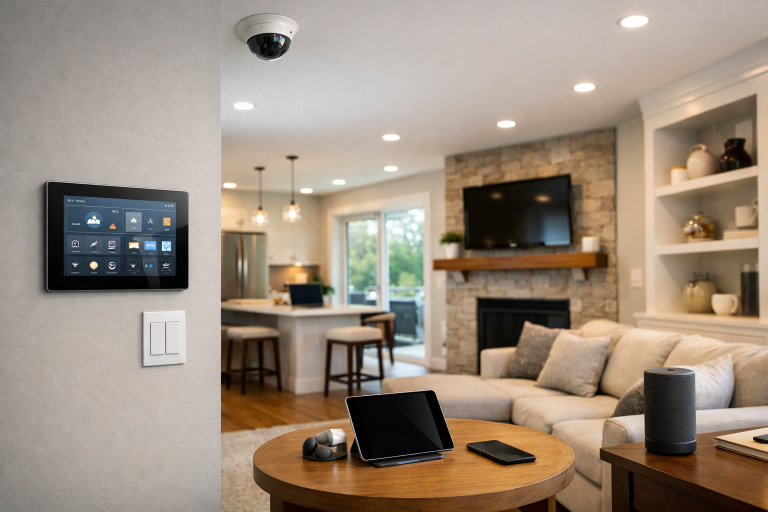
The integration of smart home technologies is becoming a significant factor in home-buying decisions. Features like automated lighting, climate control, and security systems not only enhance convenience but also contribute to energy efficiency. Buyers are increasingly seeking homes equipped with these technologies, influencing market demand and property values. Tech-savvy buyers may also prioritize houses with connected appliances, solar energy systems, or integrated voice assistants. From a seller’s perspective, upgrading a home with even a few smart features can enhance its marketability and justify higher asking prices. The trend toward environmentally friendly, connected homes is expected to grow, especially as energy costs rise and buyers become more aware of their ecological impact.

Data-Driven Pricing Strategies
Real estate professionals are leveraging big data to develop more accurate pricing strategies. By analyzing market trends, neighborhood statistics, and economic indicators, agents can set competitive prices that reflect current market conditions. This data-driven approach benefits both buyers and sellers by ensuring fair market value. Advanced predictive analytics and machine learning models are being used to assess future market shifts, giving Connecticut buyers and sellers new tools for understanding when the optimal time to buy or sell may be. By synthesizing historical transaction data, school ratings, local amenities, and economic forecasts, agents can offer nuanced advice and gain a competitive advantage for their clients. In fast-moving markets, up-to-date pricing models can make the difference between an overbid and a lost opportunity.
Online Mortgage Platforms
The mortgage application process has been simplified through online platforms that offer pre-approval, rate comparisons, and digital document submission. These tools expedite the financing process, allowing buyers to move quickly in competitive markets like Connecticut. Beyond speed and convenience, online mortgage platforms often provide buyers with educational resources and calculators that clarify the long-term implications of various financing options. e-Signing and remote notarization, both accelerated by recent technology, allow deals to close from anywhere, ensuring flexibility for busy buyers and sellers. Mortgage pre-approval letters can now be generated instantly, helping buyers present strong offers with confidence and reducing uncertainty during negotiations.
Regulatory Changes and Technology
Recent regulatory changes are also shaping the home-buying process. For example, new real estate rules could reshape the homebuying process, affecting how transactions are conducted. Staying informed about these changes is crucial for both buyers and sellers to navigate the market effectively. Adapting to regulatory shifts often requires the assistance of knowledgeable real estate agents who understand both the legal landscape and the latest digital tools. For Connecticut residents, working with an experienced local professional ensures compliance with updated disclosure requirements and electronic documentation standards. Real estate brokerages that adopt compliance-focused software can provide greater peace of mind to buyers and sellers alike, reducing the risk of costly errors or delays.
Future Trends in Connecticut Real Estate
Looking ahead, we can expect further integration of technology in the real estate sector. Innovations such as AI-driven market analysis, virtual staging, and digital contract management are poised to become standard practices. Embracing these technologies will be essential for staying competitive in Connecticut’s evolving real estate market.
In addition, the future is likely to bring increased attention to sustainability and energy efficiency, with more buyers seeking smart-green homes and renewable energy features. The emergence of property “digital twins”, virtual models of physical properties, could further streamline maintenance, renovations, and even resale processes. As remote work remains prevalent, buyers may also focus on properties with dedicated office space and advanced connectivity. Ultimately, technology will continue to empower consumers, offering new possibilities for personalization and efficiency at every step of the Connecticut home-buying journey.
Conclusion
In conclusion, technology is profoundly transforming the home-buying experience in Connecticut. By leveraging these advancements, buyers and sellers can enjoy a more efficient, transparent, and personalized journey in the real estate market. Tools such as virtual tours, AI-driven property recommendations, and digital transaction platforms streamline every stage of the process, from initial search to closing. These innovations not only save time but also empower buyers with better data and insights to make informed decisions. For sellers and agents, technology enhances marketing reach and improves communication with potential buyers. As digital solutions continue to evolve, the real estate experience in Connecticut will become even more accessible, convenient, and tailored to individual needs, ultimately benefiting everyone involved in the transaction.