


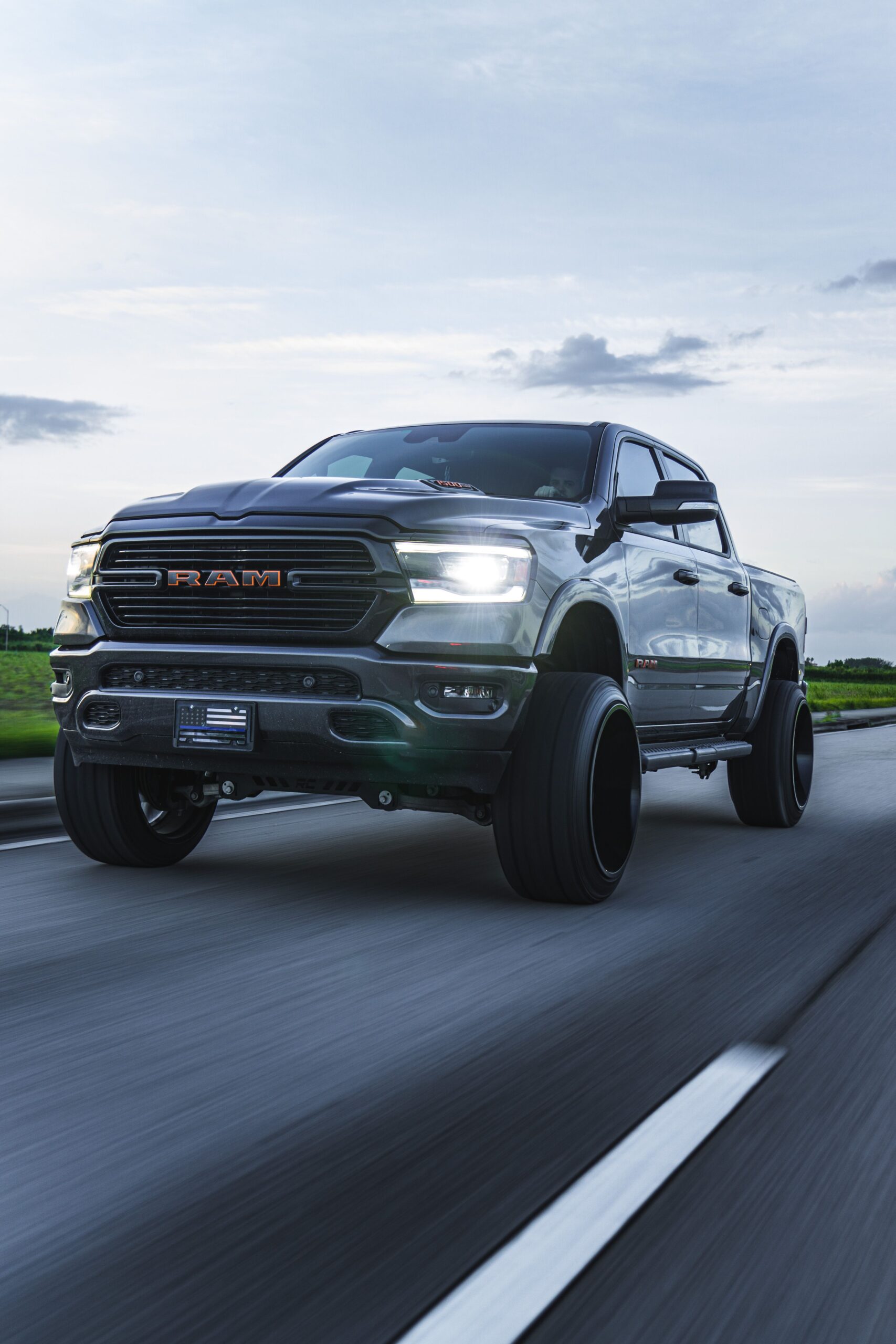
Austin truck owners often need one vehicle to handle weekday traffic, hot pavement, job-site miles, towing duties, and weekends beyond city limits. The right truck performance upgrades should make those real tasks easier, rather than simply changing the truck’s appearance or sound.
Before selecting parts, consider where the truck spends most of its time. A setup that feels comfortable and controlled on Mopac or I-35 may need different priorities than one intended for loaded trailers, rough ranch roads, or light Hill Country trail use.
Start With Driving Goals
The most useful modifications solve a specific driving problem. A daily commuter may value smoother ride quality, predictable steering, and manageable road noise. A truck that tows may benefit more from load control, braking confidence, and stable highway behavior. An occasional trail truck may need additional clearance and tire protection without becoming awkward to drive around town.
For example, a truck used for Austin commuting during the week and casual Hill Country trips on weekends may be better served by moderate all-terrain tires and carefully selected suspension components than by an extreme lift. A thoughtful approach to truck suspension can help preserve everyday comfort while addressing ground clearance and control on uneven surfaces. Resources like truck suspension information can guide decisions about which components match your specific needs.
Know What Each Upgrade Does
Understanding each system helps prevent expectations from getting ahead of practical results.
- Air intake changes: These may alter intake airflow and engine sound, but correct fitment for the specific engine is essential.
- Exhaust changes: Exhaust design can change sound and flow characteristics. Consider cabin noise, emissions requirements, and whether the sound will remain comfortable on long drives.
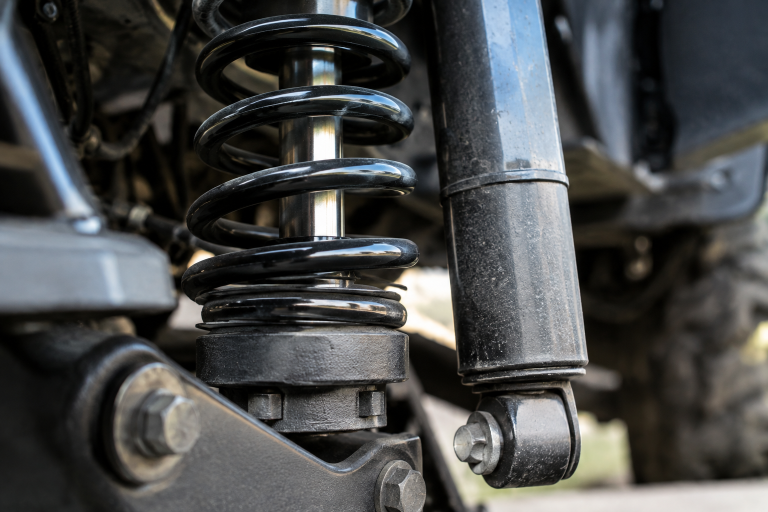
- Shocks and springs: These influence body motion, ride control, and how a truck responds to changing loads.
- Leveling and lift systems: These can create room for different tire sizes and increase clearance, but they may also affect suspension and steering geometry.
- Wheels and tires: They affect traction, steering response, ride, noise, braking feel, and unsprung weight.
Match Upgrades To Road Use
Match the upgrade order to the truck’s normal environment rather than assuming every truck needs the same parts.
- City driving: Prioritize ride comfort, quiet operation, easy parking, and predictable braking.
- Highway travel: Focus on stable handling, low vibration, good alignment, and tires suited to sustained pavement use.
- Towing and hauling: Pay attention to load support, tire load ratings, braking conditions, cooling, and trailer stability.
- Light off-road driving: Consider clearance, usable suspension travel, sidewall strength, and protection for vulnerable underbody components.
- Work-site use: Favor durability, tire resistance to damage, and a setup that remains controllable when the bed is loaded.
Balance Power And Control
Performance is not only about horsepower. More power is most useful when the truck’s tires, brakes, steering, and suspension can manage it confidently. Likewise, larger or heavier wheel-and-tire packages can alter acceleration, braking response, steering effort, and fuel use. The loudest exhaust or tallest lift is not automatically the best choice for a truck that must handle traffic, passengers, and frequent highway miles.
A balanced build generally feels more capable than a truck modified heavily in only one area. Current factory-based performance packages illustrate this approach. For example, coverage of the 2026 Roush F-150 describes a package that combines suspension, wheels, tires, and exhaust-related changes rather than treating each component as an isolated addition. That kind of systems-based thinking is useful even when planning modest upgrades.
Consider Tires And Wheels
Tires deserve early attention because they are the truck’s connection to the road. The recommended tire-maintenance practices from the National Highway Traffic Safety Administration include checking pressure when tires are cold, monitoring tread, and addressing balance and alignment. Use the tire size and inflation information on the vehicle’s door label or in the owner’s manual as the starting point.
All-season tires are commonly chosen for general pavement driving. All-terrain tires aim for a compromise between on-road behavior and unpaved capability. Mud-terrain designs can provide more aggressive off-road traction but often bring more road noise and less refined pavement manners. Changing tire diameter can also affect clearance, speedometer readings, gearing feel, and suspension movement. An alignment check after major wheel, tire, or suspension changes is a sensible final step.
Watch For Safety And Fitment Issues
Every part should match the truck’s model year, engine, drivetrain, axle configuration, and intended load. Improperly matched components can interfere with suspension travel, steering angles, brake lines, wheel clearance, and electronic systems. Larger tires or altered ride height may also affect the operation of driver-assistance features or calibration-dependent systems.
Check applicable Texas and local requirements before changing lighting, exhaust equipment, or ride height. It is also wise to inspect mounting hardware after initial use, particularly after suspension work or driving over rough terrain. If several related changes are planned, a matched system may reduce the guesswork involved in combining unrelated parts.
Build A Smart Upgrade Plan
- Define the truck’s main job and the conditions it regularly faces.
- Inspect its current tires, brakes, suspension, fluids, and steering components.
- Set a budget that includes installation, alignment, and any supporting parts.
- Address the biggest daily limitation first, such as worn tires or poor load control.
- Add related upgrades in a logical sequence instead of changing multiple variables at once.
- Test the truck in normal Austin driving conditions before planning the next step.
- Track tire wear, vibration, fuel use, ride quality, and handling over time.
Common Questions
What Should Be Upgraded First On A Daily-Driven Truck?
Start with condition and safety: tires, brakes, alignment, suspension wear, and steering components. Correcting an existing problem often makes a bigger difference than adding a power-focused part.
Do Larger Tires Always Improve Truck Performance?
No. Larger tires can improve clearance and may provide more traction in certain conditions, but they can also add weight, change acceleration, affect braking feel, and alter steering response.
Is A Lift Kit Better Than A Leveling Kit?
Neither is universally better. A leveling kit may suit a truck that needs a modest stance or tire-clearance adjustment. A lift may be more appropriate when additional clearance and suspension capability are genuine priorities.
Can A Performance Exhaust Improve Fuel Economy?
Fuel-economy results vary with the engine, driving habits, calibration, tire choice, and complete exhaust design. It should not be selected solely on the expectation of fuel savings.
How Often Should A Modified Truck Be Inspected?
Inspect it regularly and after hard use. Look for uneven tire wear, loose hardware, leaks, rubbing, vibration, changes in alignment, and unfamiliar noises.
Final Takeaway
The best truck setup for Austin, Texas, is one that fits the driver’s roads, workload, comfort expectations, and long-term plans. A measured upgrade plan that gives equal attention to power, control, tires, fitment, and maintenance can improve capability without creating avoidable problems elsewhere.