
Purchasing a used car is a practical choice for many, offering savings compared to buying new while still providing reliable transportation. However, shopping for a pre-owned vehicle requires attention to detail to ensure you end up with a trustworthy car. Understanding the steps involved will help you avoid costly mistakes and scams. Learn more about navigating the used car market and taking advantage of expert insights to secure a great deal.
From setting a budget to ensuring all paperwork is in order, each phase is crucial to successfully buying a car that fits your needs. Being prepared helps eliminate risks and boosts your confidence throughout the process, setting you up for a smoother car-buying experience.
Research and Set a Budget
Start your search by establishing how much you can realistically afford to spend. It is essential to look beyond just the sticker price and factor in ongoing expenses. Consider insurance rates, taxes, license fees, fuel costs, and routine maintenance. Use reputable online resources like Edmunds to calculate total ownership costs and compare different models in your price range.
Once you have a budget in mind, browse vehicle listings from dealers, private sellers, and certified pre-owned lots. Compare prices to ensure you are not overpaying for your desired make and model. Data from websites such as Kelley Blue Book can guide your expectations and reveal which vehicles offer the best value in your area.
Inspect the Vehicle Thoroughly
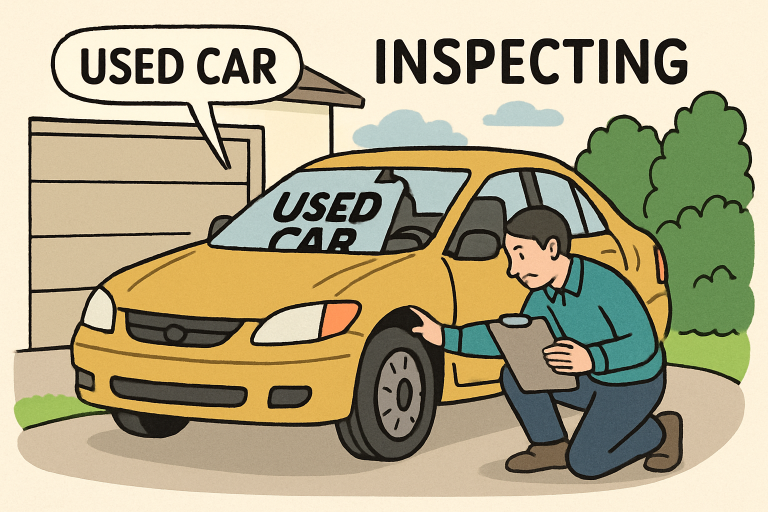
Take your time inspecting each car. Examine the exterior for dents, scratches, paint irregularities, or rust, all of which could indicate past accidents or neglect. Verify that the tires are evenly worn and that there are no suspicious leaks under the vehicle. Inside the car, check the condition of the upholstery, dashboard, and control panel, ensuring that the seats, lights, air conditioning, and electronics work correctly.
It is advisable to bring along a knowledgeable friend if you are not confident in your inspection skills. Performing your own assessment does not replace a professional check, but it can be a first line of defense against obvious issues.

Take a Comprehensive Test Drive
A test drive is essential in evaluating a used car’s functionality and comfort. Try to drive the vehicle on a variety of roads, including city streets and highways. Listen for unusual noises from the engine, brakes, or suspension, and assess how the car accelerates, brakes, and steers. Confirm that safety features, entertainment systems, and air conditioning are all functional.
Feeling at ease in the car and ensuring it meets your expectations are vital parts of the decision-making process, so do not rush this step.
Review the Vehicle History Report
Request a comprehensive vehicle history report for any car you are seriously considering. Services like Carfax and AutoCheck can provide details about prior ownership, recorded accidents, repairs, title status, odometer readings, and any flood or salvage records. Be cautious if the seller cannot provide a report or if the report reveals inconsistencies, as these can be red flags. For more information on reading and interpreting history reports, check the Kelley Blue Book.
Consider a Pre-Purchase Inspection
Before finalizing your decision, schedule a pre-purchase inspection with a trusted, independent mechanic. An experienced professional can discover hidden or developing problems that might not be obvious to the average buyer. This inspection can provide leverage for negotiation or save you from an expensive mistake if major issues are uncovered.
Negotiate the Price
With thorough research, a clean inspection report, and a test drive under your belt, you are prepared to discuss pricing with the seller. Present your findings calmly and use your research to support your offer. If the seller is unwilling to negotiate or the terms are unfavorable, you should be prepared to walk away. The used car market is vast, and there are always other options available.
Finalize the Paperwork
Proper documentation is non-negotiable when purchasing a used car. Obtain the title, bill of sale, any available warranty documents, and a release of liability. Review each for accuracy and ensure the Vehicle Identification Number (VIN) on the paperwork matches that on the car. If you are buying from a dealer, verify that no unnecessary add-ons have been included in the contract.
Be Aware of Common Scams
As you approach the final stages, remain vigilant for scams such as odometer fraud and title washing. Only make payments after verifying both the car and the documentation are legitimate. Scrutinize any deal that seems suspiciously low in price or that pressures you to skip standard steps, as these are often warning signs.
By following these steps carefully, you can shop the used-car market safely and make a decision that offers financial savings and peace of mind for years to come.