In Parkland and the broader South Florida luxury market, two homes with similar prices can deliver dramatically different experiences. One may offer a large private lot near familiar daily conveniences, while another may place you in a highly amenitized community with more rules, fees, and shared responsibilities. For a neighborhood-level perspective, the Pine Tree Estates real estate experts Bill Sohl luxury homes team provides buyer and seller guidance through Bill Sohl Luxury Homes Team, a South Florida luxury real estate group focused on high-end homes, estate properties, golf communities, and local areas including Parkland, Pine Tree Estates, Heron Bay, and nearby Broward County communities.
The goal is not to find the most impressive home during a quick showing. It is to identify the setting that will still feel right after the novelty of a new kitchen, pool, or view has faded. A thoughtful comparison process helps buyers weigh convenience, privacy, carrying costs, community culture, and resale considerations before submitting an offer.
Why Neighborhood Comparison Matters
A home is inseparable from its surroundings. A quiet street, mature landscaping, controlled access, nearby parks, and a practical route to work can influence daily satisfaction as much as square footage. In Parkland, buyers may compare estate areas such as Pine Tree Estates with master-planned communities, golf-oriented neighborhoods, and newer gated developments. Each option can differ in lot size, traffic patterns, access to amenities, association standards, and the level of responsibility placed on the homeowner.
Set Your Priorities Before Touring
Before viewing homes, write down what the property must accomplish. This keeps attractive finishes from overshadowing needs that are harder to change later, such as location, lot configuration, road noise, or community restrictions.
- Will this be a primary residence, seasonal home, or investment property?
- How important are privacy, acreage, and distance from neighboring homes?
- Do you want boating access, golf access, a guarded gate, or a low-maintenance lock-and-leave setup?
- How close should schools, shopping, dining, medical care, and major roads be?
- How much time and money are you comfortable dedicating to pools, landscaping, generators, and exterior upkeep?
Give every finalist a score from one to five for privacy, location, recurring cost, amenities, resale appeal, and personal fit. The total does not make the decision for you, but it makes tradeoffs visible.
Compare Property Types and Community Styles
Gated and master-planned communities
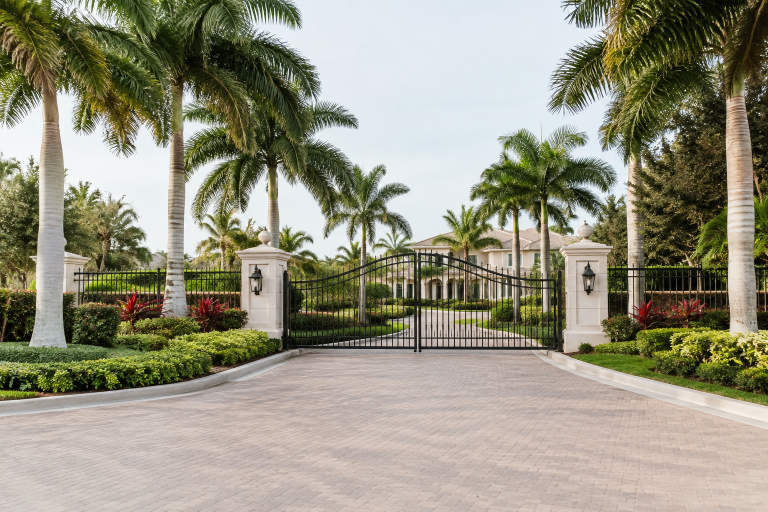
These communities can appeal to buyers who want a defined neighborhood identity, controlled entry, and shared amenities. Review the association’s rules carefully, including restrictions involving exterior changes, parking, pets, rentals, and landscaping. Ask how approvals work if you expect to renovate or add features.

Golf communities
Golf settings can provide open views, recreation, and a social environment, but ownership costs may extend beyond home maintenance. Confirm whether club membership is optional or required, identify initiation and recurring fees, and understand whether golf-course proximity affects privacy, noise, or future renovation plans.
Waterfront homes and luxury condominiums
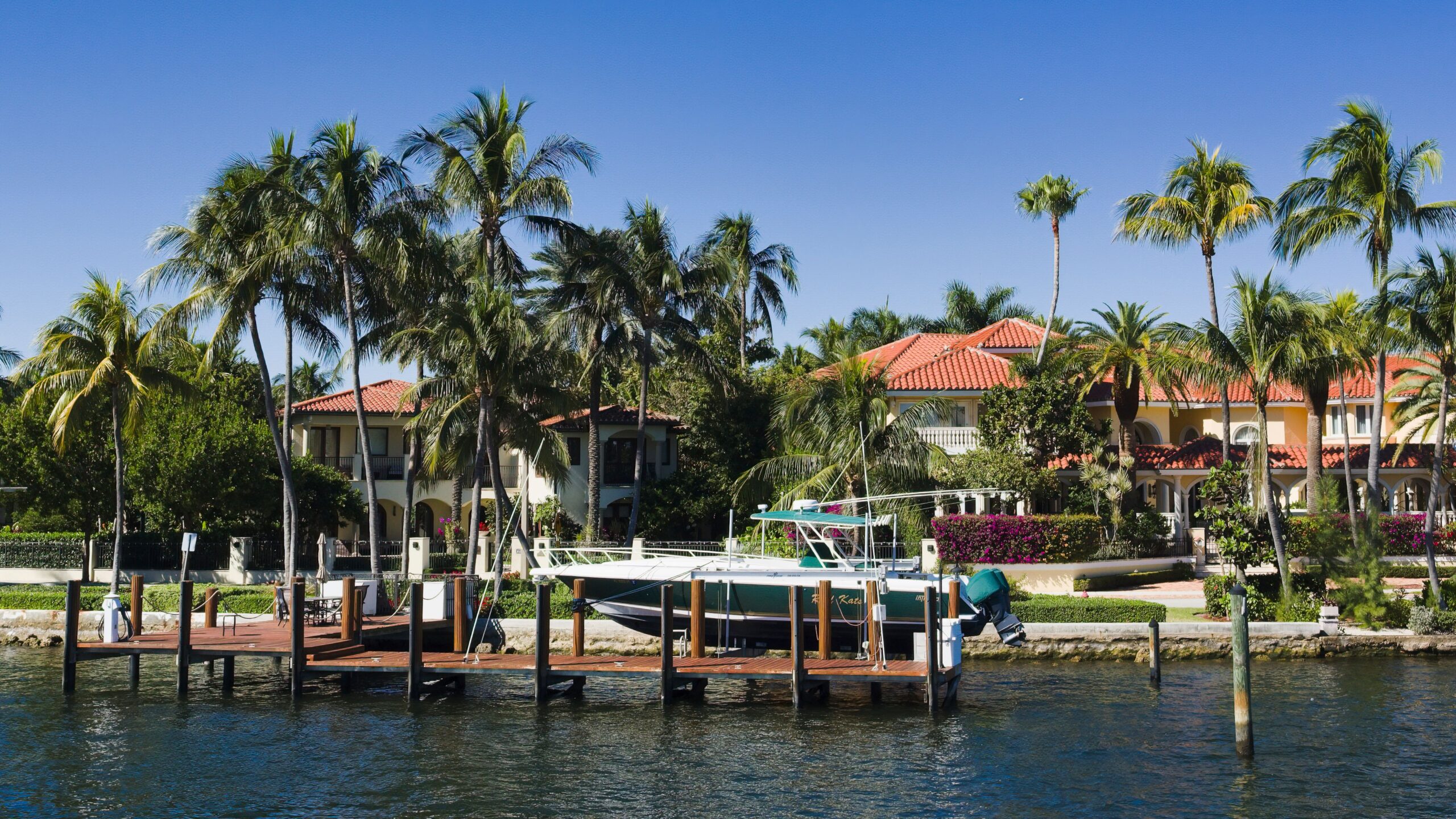
Water access and water views can be compelling, but they deserve property-specific due diligence. Buyers should investigate flood exposure, drainage, elevation documentation when available, seawall condition, dock rights, and insurance availability. Reviewing flood hazard information for a specific address is a useful starting point, but it should be paired with insurer guidance and professional inspections. Condominium buyers should also examine budgets, reserves, building rules, planned projects, and the association’s financial records.
Large suburban and estate lots
Homes on larger lots can offer the space many Parkland buyers value, especially for outdoor entertaining, sports courts, guest areas, or expanded garages. They may also require more hands-on management. Landscaping, irrigation, pool systems, fencing, roofs, tree care, and storm preparation can all affect the real annual cost of ownership.
Review the Full Cost of Ownership
Do not estimate a luxury home’s affordability from the mortgage payment alone. Request written figures whenever possible and build an annual ownership worksheet that includes:
- Property taxes and any available tax history.
- Homeowners, wind, flood, and umbrella insurance estimates.
- HOA, condominium, club, or special district fees.
- Pool service, landscaping, pest control, utilities, and security.
- Roof, HVAC, generator, seawall, driveway, and exterior maintenance reserves.
For Broward County properties, the Broward County Property Appraiser’s property search can help buyers review public property records and assessed value information. It should inform questions for your lender, insurer, attorney, and tax professional, not replace their advice.
Study Location and Daily Convenience
Visit each neighborhood at more than one time of day. A route that feels easy on a quiet weekend may be very different during school drop-off, afternoon pickup, or a weekday commute. Drive to places you expect to use regularly, including grocery stores, restaurants, fitness facilities, airports, medical offices, and family commitments. Notice gate wait times, road construction, lighting, sidewalks, and the overall rhythm of the area.
Check Resale Appeal and Local Demand
No buyer can guarantee future appreciation, but certain characteristics often make a home easier for a later buyer to understand and value. These include a recognizable neighborhood, a sensible floor plan, well-maintained major systems, useful outdoor space, quality construction, and a location that supports everyday routines. Compare recent closed sales with active listings, then look beyond price per square foot. Lot quality, renovation level, condition, and community differences can make direct comparisons misleading.
Build a Practical Neighborhood Shortlist
- List your five most important lifestyle needs.
- Eliminate areas that fail your location, commute, or budget requirements.
- Compare taxes, insurance estimates, fees, and likely maintenance.
- Return to each finalist neighborhood at least twice.
- Review comparable sales, current competition, and property disclosures.
- Read association documents before the end of any applicable review period.
- Use qualified inspectors to assess the home’s condition and major systems.
Questions to Ask Before Making an Offer
- How long have comparable homes taken to sell?
- What are the common insurance deductibles and coverage considerations for this property type?
- Are there pending assessments, capital projects, or planned development nearby?
- What restrictions apply to rentals, renovations, pets, vehicles, fences, and exterior improvements?
- What maintenance should be expected for the roof, pool, landscaping, generator, seawall, or dock?
- Does this home support your needs in five or ten years?
The strongest Parkland or South Florida luxury purchase is not automatically the largest home or the community with the longest amenity list. It is the property whose neighborhood, responsibilities, and long-term costs match the way you genuinely want to live. Careful comparison turns a broad home search into a confident, practical decision.